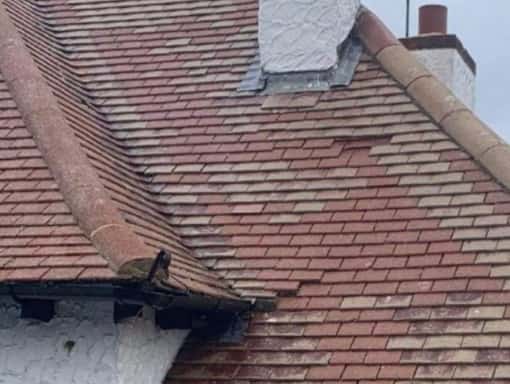
Finding one broken roof tile does not necessarily indicate a serious roofing problem. Tiles can occasionally crack or become displaced due to weather exposure, impact or natural deterioration, and an isolated defect can often be resolved with a straightforward repair. However, when several tiles begin breaking within the same period, it is worth considering whether something more widespread is happening.
For homeowners in Rochester, Kent, multiple damaged roof tiles can sometimes be an early indication that the roof covering, fixings or supporting components are deteriorating more generally. Rather than repeatedly replacing individual tiles, a professional roof assessment can establish why the damage is occurring and whether a broader repair strategy is needed.
Why Do Several Roof Tiles Break at Once?
Roof tiles are exposed to changing weather conditions throughout their service life. Wind, rainfall, frost and temperature fluctuations gradually affect roofing materials, particularly as they become older.
Several damaged tiles may result from:
- General age-related deterioration
- Prolonged weather exposure
- Strong winds
- Movement within the roof covering
- Deteriorated fixings
- Previous damage that has gradually worsened
- Problems with supporting battens
- Poorly seated or incorrectly positioned tiles
The important issue is determining whether the broken tiles are isolated defects or symptoms of a wider roofing problem.
Ageing Tiles Can Become Increasingly Vulnerable
Roof tiles do not necessarily deteriorate at exactly the same rate, but materials installed at the same time have usually experienced similar levels of exposure.
As an older roof covering begins to deteriorate, the occasional broken tile may gradually become a more frequent occurrence.
If replacing one tile is regularly followed by another tile cracking or failing elsewhere, the condition of the wider covering should be assessed. Continually addressing individual symptoms may not resolve the underlying reason the failures are becoming more common.
Broken Tiles Can Expose the Layers Beneath
Tiles form the primary weather-shedding surface of many pitched roofs. When several are broken, cracked or missing, the materials beneath can become more exposed to rainfall.
Depending on the roof’s construction and condition, water may begin reaching:
- Roofing underlay
- Battens
- Fixings
- Timber components
- Loft areas
The underlay provides additional protection, but it should not be relied upon indefinitely to compensate for a deteriorating outer covering.
Prompt attention helps prevent a surface-level problem from developing into deeper roofing damage.
What Condition Is the Roofing Underlay In?
When several tiles are failing, the visible roof covering should not be the only consideration.
Underlay beneath older roofing materials can also deteriorate over time. If it has become torn, brittle or damaged, broken tiles may leave the roof more vulnerable to water ingress than expected.
Because underlay is largely concealed, its condition cannot always be established from ground level.
Where repeated tile failures are occurring alongside leaks or other signs of deterioration, a more detailed inspection may be necessary.
Battens and Fixings Can Contribute to Repeated Problems
Roof tiles rely on correctly installed supporting and fixing systems to remain securely positioned.
Problems with battens or fixings can sometimes contribute to repeated movement or instability across sections of a roof. This may be particularly relevant where tiles continue slipping or becoming displaced without an obvious external cause.
Simply replacing the visible tile without investigating its support may therefore fail to provide a lasting solution.
Are the Broken Tiles Concentrated in One Area?
The location of the damage can provide useful information.
Several broken tiles concentrated in one section might indicate a localised issue affecting that particular part of the roof. Damage spread across numerous areas may point towards more general deterioration.
A roofer will consider both the condition and distribution of the defects when determining the appropriate response.
This helps distinguish between a section that needs targeted attention and a roofing system that may require broader maintenance.
Repeated Repairs Can Reveal a Pattern
Individual roof repairs are entirely normal and can help extend the serviceable life of a sound roof.
However, the frequency of repairs matters.
Consider whether:
- Tiles are breaking increasingly often
- Repairs are required in different areas
- Previously sound sections are now deteriorating
- Leaks are beginning to appear
- The roof contains numerous historic repairs
When several of these issues occur together, inspecting the entire roof is more useful than viewing each broken tile as an unrelated event.
Water Ingress Changes the Situation
Multiple damaged tiles become particularly important when there are also signs of water entering the property.
Homeowners should watch for:
- Damp patches in the loft
- Water staining on ceilings
- Moisture around roof timbers
- Wet insulation
- New staining following rainfall
Water does not always appear directly beneath the damaged tile. It can travel along roofing materials before becoming visible elsewhere, making professional investigation important.
When Are Individual Tile Repairs Still Suitable?
Several broken tiles do not automatically mean extensive roofing work is required.
If the surrounding tiles remain in good condition, the underlay and supporting materials are serviceable, and the damage has a clearly identifiable local cause, replacing the affected tiles may be sufficient.
A professional repair should restore the integrity of the affected section while preserving the sound parts of the existing roof.
The aim should always be proportionate intervention rather than unnecessary work.
When Might More Extensive Roofing Work Be Needed?
A broader approach may deserve consideration when multiple broken tiles form part of a wider pattern of deterioration.
Indicators can include:
- Widespread cracking
- Increasingly frequent tile failures
- Numerous slipped or loose tiles
- Recurring leaks
- Deteriorated underlying materials
- Multiple previous repair areas
- General decline across the roof covering
At this stage, continuing to replace tiles individually may address each immediate defect without resolving the condition responsible for repeated failures.
Why a Whole-Roof Inspection Is Valuable
When several tiles are damaged, a professional assessment should look beyond those individual pieces.
A thorough inspection can consider:
- The condition of surrounding tiles
- Ridge and verge areas
- Flashing and roof junctions
- Signs of movement
- Previous repair sections
- Water ingress
- Accessible underlying components
- Overall roof condition
This provides a clearer understanding of whether the roof requires localised repairs or more comprehensive attention.
Professional Roof Repairs in Rochester
At Rochester Roofing Services, we provide professional roofing inspections and repairs throughout Rochester, Kent. When several tiles have failed, our approach is to establish why the problem is occurring rather than simply treating every broken tile as an isolated defect.
Where targeted repairs remain appropriate, damaged sections can be addressed while retaining the serviceable roof. If deterioration is more extensive, the wider condition can be assessed so that a suitable roofing solution can be recommended.
This helps ensure that the work carried out reflects what the roof genuinely needs.
Conclusion
Several broken roof tiles do not necessarily mean that an entire roof requires major work. Localised damage can often be repaired effectively, particularly when the surrounding roofing materials and supporting components remain in good condition.
However, repeated tile failures can also indicate ageing materials, deteriorated fixings, problems beneath the covering or more widespread decline. The frequency and distribution of the damage are therefore just as important as the number of broken tiles.
For homeowners in Rochester, Kent, Rochester Roofing Services can assess repeated tile damage and determine whether individual repairs remain appropriate or whether the roof requires more comprehensive attention. If broken tiles are becoming a recurring problem, having the wider roof professionally inspected can help identify the underlying cause before further deterioration develops.
Call us on: 01634 561 196
Click here to find out more about Rochester Roofing Services
Click here to complete our contact form and see how we can help with your roofing needs.