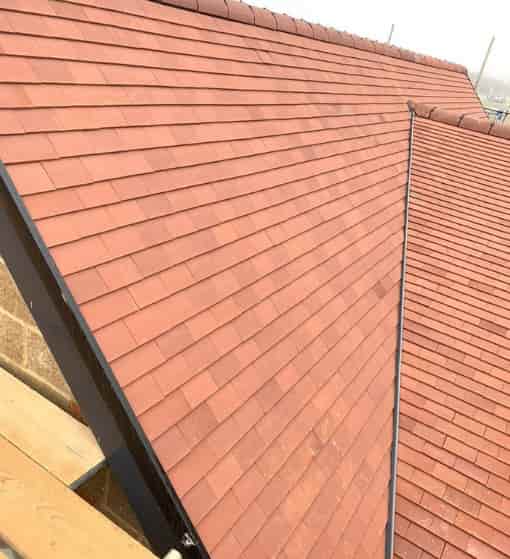
A leaking garage roof can cause more than an inconvenience. Water entering through damaged edges or poorly sealed joints can affect stored belongings, damage the ceiling and contribute to damp conditions within the structure. Because these vulnerable areas are not always easy to inspect from ground level, a leak may go unnoticed until visible signs of water damage appear.
Garage roofs come in different designs, including flat roofs and pitched roofs. However, both rely on secure edges, sound junctions and effective drainage to keep water out. Understanding where problems commonly develop can help property owners recognise early warning signs and arrange suitable repairs.
For homeowners in Rochester, Kent, identifying the source of a garage roof leak promptly can help prevent further deterioration and protect the building.
Why Garage Roof Edges and Joints Are Vulnerable
Roof edges and joints are important parts of the weatherproofing system. They connect different roofing materials, meet adjoining walls or structures, and help direct rainwater away from the roof.
Over time, exposure to rainfall, temperature changes and strong winds can weaken these connections. Materials may become brittle, separate or move out of position, creating gaps through which water can enter.
Flat garage roofs can be particularly vulnerable where water collects around the perimeter or near drainage points. Pitched garage roofs may develop leaks around the eaves, verges and junctions where the roof meets a wall.
Common Problem Areas Around Garage Roof Edges
Damaged Roof Edge Trims
On many flat roofs, edge trims help secure the roofing membrane and protect the perimeter. If these trims become loose, cracked or poorly fitted, water can get beneath the roof covering and reach the underlying structure.
Signs of trouble may include visible gaps, lifting edges or sections of trim that appear out of alignment. Repairs may involve securing or replacing damaged trims and checking that the membrane is properly sealed against them.
Deteriorated Fascias and Roofline Connections
The fascia and adjoining roofline components help protect the edges of a roof. Damaged or deteriorating sections can create openings that allow moisture to affect the roof structure.
Look for peeling paint, softened timber, staining or signs of water running behind the fascia. These symptoms may indicate that water is entering through a nearby roof junction rather than through the main roof surface.
Problems at Eaves and Verges
On pitched garage roofs, the eaves and verges are exposed to wind-driven rain. Loose tiles, damaged verge details or deteriorated mortar can leave gaps around the roof perimeter.
Water entering these areas may affect the roof space or appear as damp patches along the internal walls. A proper inspection can establish whether the problem is caused by displaced coverings, damaged mortar or defective roofline components.
Identifying Leaks Around Roof Joints
Failed Flashing at Wall Junctions
Where a garage roof meets an external wall, flashing provides an important weatherproof connection. It directs rainwater away from the junction and prevents it from entering behind the roof covering.
Flashing can become loose, cracked or detached as materials age or the structure experiences movement. Look for visible gaps, lifted edges, corrosion or staining on the adjoining wall.
Effective repairs may involve securing the existing flashing or replacing damaged sections. The surrounding roof covering and masonry should also be checked to ensure the entire junction is properly protected.
Cracked or Shrinking Roofing Membranes
Flat garage roofs often use felt or other waterproof membranes. With age and weather exposure, these materials can crack, shrink or split, particularly around seams and perimeter details.
A leak may develop where two sections of membrane meet if the joint has deteriorated or the original installation was defective. Water can then travel beneath the surface before becoming visible inside the garage.
Depending on the extent of the damage, repairs may involve resealing a joint, patching a localised defect or replacing a larger section of the roof covering.
Gaps Around Roof Penetrations
Some garage roofs have vents, pipes or other fittings passing through the surface. Each opening requires a suitable weatherproof seal to prevent water from entering around the fitting.
Deteriorated collars, cracked sealant or poorly finished connections can allow rainwater to penetrate. These areas should be checked as part of any investigation into a persistent garage roof leak.
Warning Signs to Look for Inside the Garage
Water entering through roof edges or joints does not always appear directly beneath the damaged section. It can travel along structural materials before reaching the ceiling or walls.
Common signs include:
- Brown or yellow stains on the ceiling.
- Damp patches near the top of external walls.
- Peeling paint or bubbling plaster.
- Dripping water during or after rainfall.
- Musty smells or persistent damp conditions.
- Visible mould developing in poorly ventilated areas.
If these symptoms appear, it is important to investigate the roof rather than simply covering the affected internal surface. Decorating over damp areas will not resolve the source of the leak.
Why Professional Roof Leak Repairs Matter
Finding the exact entry point is essential for a lasting repair. Water can travel beneath roofing materials, meaning the visible damp patch may be some distance from the original defect.
A professional roofing inspection should assess the roof covering, perimeter details, flashing, joints and drainage arrangements. Once the cause has been identified, suitable repairs can be recommended based on the roof type and condition.
Depending on the findings, work may include replacing damaged edge trims, repairing flashing, renewing defective membrane joints or replacing displaced roof coverings. Addressing the underlying fault helps reduce the risk of recurring leaks and further damage.
Avoid climbing onto a garage roof to investigate suspected defects, particularly if the roof is flat or has an older covering that may not support a person’s weight.
Conclusion
Garage roof leaks frequently develop around edges and joints because these areas are exposed to weather and rely on secure connections to keep water out. Damaged trims, deteriorated flashing, cracked membranes and gaps around roof fittings can all contribute to water ingress.
Recognising the warning signs early and identifying the actual source of the leak are important steps towards effective repairs. If your garage roof is showing signs of water damage, Rochester Roofing Services can help assess the problem and carry out suitable roofing repairs in Rochester, Kent. Contact the team to discuss your garage roof concerns and arrange an inspection.
Call us on: 01634 561 196
Click here to find out more about Rochester Roofing Services
Click here to complete our contact form and see how we can help with your roofing needs.